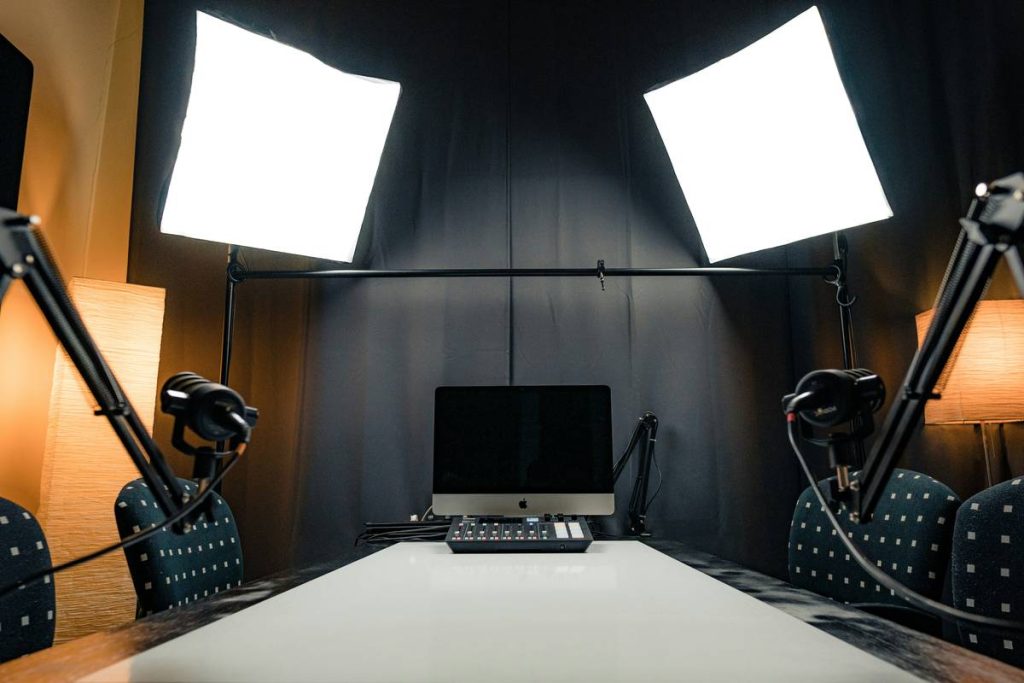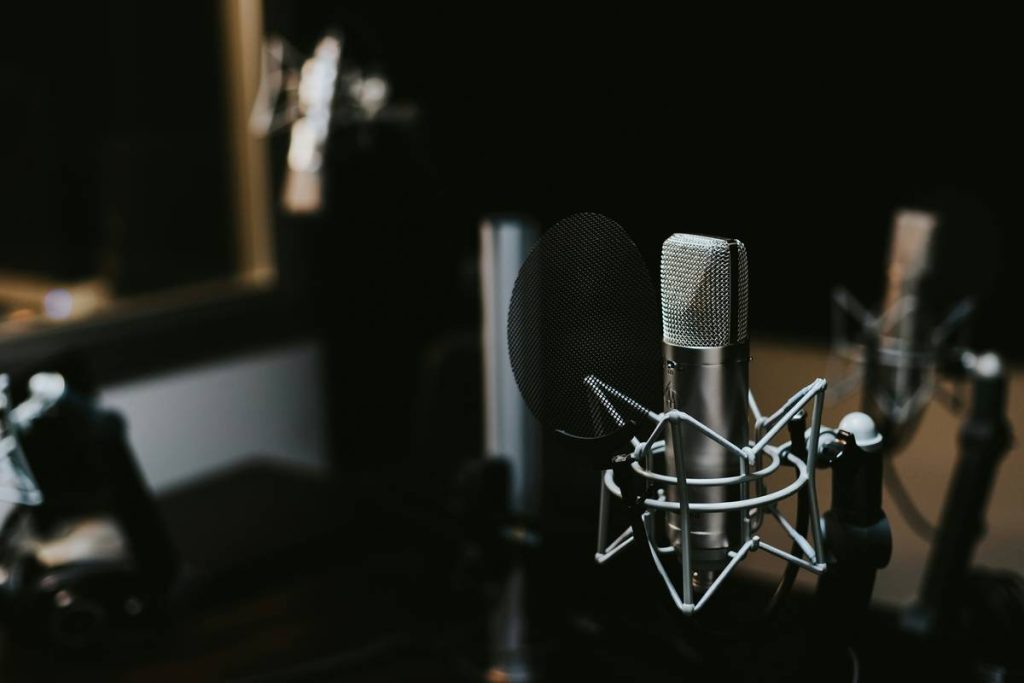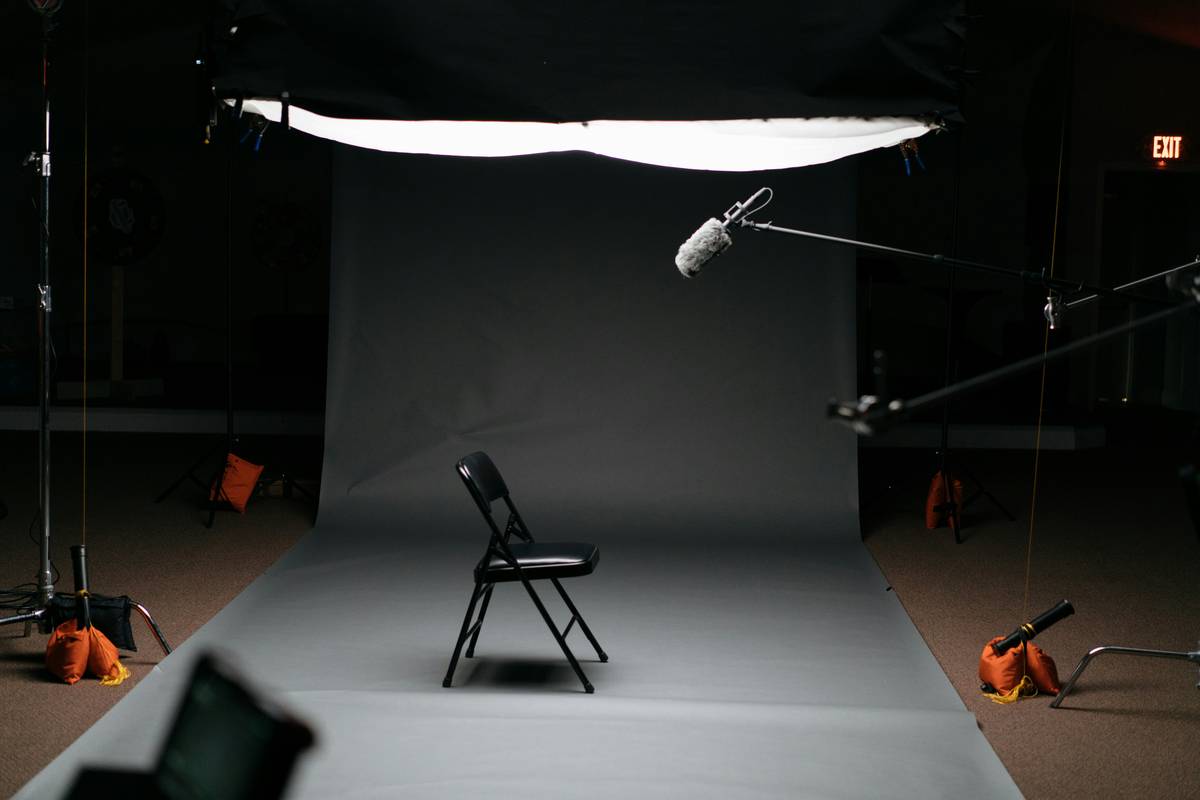
You’re drowning in noise—cheap mics, echoey rooms, clipped audio. Your content’s brilliant, but listeners tap away before the second sentence. You’ve watched 27 YouTube tutorials, spent hours on Reddit threads, and still can’t replicate that crisp, intimate sound of top-tier shows. The solution isn’t more gear. It’s smarter equipment for podcast studio choices—backed by real-world physics, not influencer hauls.
Why most podcast studio setups fail before recording even starts
People treat podcasting like magic. Buy an “all-in-one” kit, plug it in, and voilà—NPR-level clarity? Nope. Most starter bundles prioritize low cost over acoustic integrity. You get a condenser mic that picks up fridge hum from three rooms away. A foam pop filter that does nothing against plosives. And headphones so bright they make you mix vocals too quiet.
Here’s the reality: Your room is part of your signal chain. Ignoring acoustics while chasing shiny gear guarantees muddy, fatiguing audio. And no plugin fixes that.
Building your equipment for podcast studio: step-by-step with real tradeoffs
Forget “must-have” lists. Build based on your show format, space, and actual acoustic behavior—not marketing copy.
Mic selection: dynamic vs. condenser isn’t about price—it’s about control
If you record solo in a treated corner? Condensers (like Audio-Technica AT2020) capture nuance beautifully. But if you’re co-hosting in an untreated bedroom? Reach for a dynamic mic (Shure SM7B or Electro-Voice RE20). They reject off-axis noise and handle loud bursts without distortion. Simpler gain staging, too.
Audio interface: skip USB mics for expandability
USB mics lock you into one signal path. Once you add a co-host or field recorder, you’re stuck. A 2-in, 2-out interface (Focusrite Scarlett 2i2, MOTU M2) gives headroom. Phantom power. Zero-latency monitoring. And resale value.
Acoustic treatment > expensive mics
Spend $200 on bass traps and absorption panels before upgrading from an SM58. Untreated reflections smear transients and muddy vocal presence. No EQ curve undoes that damage cleanly.
| Budget Tier | Core Equipment for Podcast Studio | Total Cost | Best For |
|---|---|---|---|
| Entry ($300–$600) | Shure SM58 + Behringer UM2 + DIY moving blanket treatment | $320 | Solo hosts, minimal editing tolerance |
| Mid ($700–$1,400) | Electro-Voice RE20 + Focusrite Scarlett 2i2 + 4x Auralex panels | $1,150 | Duologues, remote guests, consistent broadcast tone |
| Pro ($1,500+) | Shure SM7B + Universal Audio Volt 276 + full room treatment | $2,200+ | Commercial shows, high-fidelity narrative podcasts |
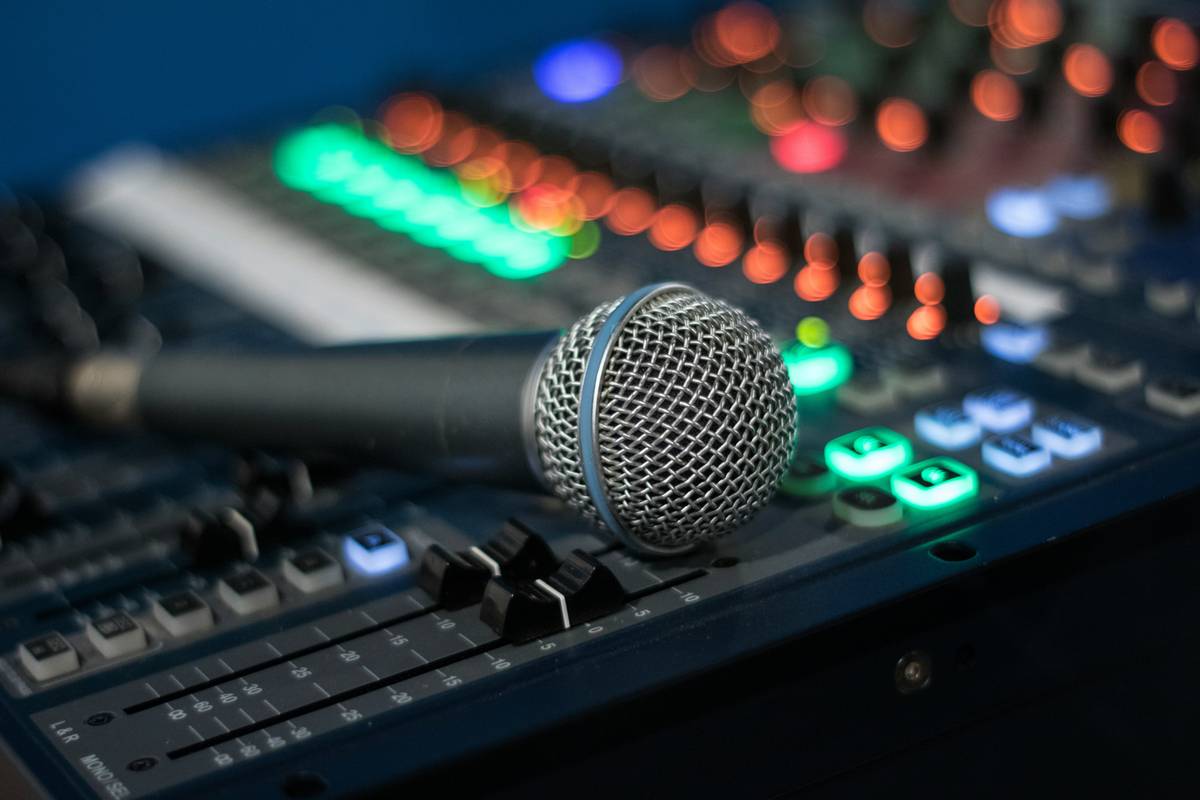
The industry secret nobody talks about: your preamp shapes tone more than your mic
Most obsess over diaphragm size or polar patterns. Pros obsess over preamp color. The preamp inside your interface adds subtle harmonic saturation—or sterile transparency. That’s why an SM7B into a Cloudlifter + clean preamp sounds “radio-ready,” while the same mic into a cheap interface sounds thin.
And here’s the hack: many “vintage” tones come from pushing preamps slightly hot. Not clipping—but running warm. Try +48V phantom power even on dynamics (some interfaces benefit). Test gain stages at -12dBFS average, not peak. This isn’t speculation—it’s how BBC engineers tracked dialogue for decades.
FAQ
What’s the bare minimum equipment for podcast studio?
A dynamic mic (SM58), basic audio interface, closed-back headphones, and some absorption behind/around you. Skip pop filters—they’re overrated; angle your mouth slightly off-axis instead.
Do I need a mixer for my podcast?
Only if you have 3+ live mics or need real-time level riding. Otherwise, an interface + DAW offers cleaner signal paths and non-destructive editing.
Can I use gaming headsets as podcast headphones?
No. They boost bass artificially and leak sound into your mic. Use closed-back studio headphones (Audio-Technica ATH-M20x or Sony MDR-7506).