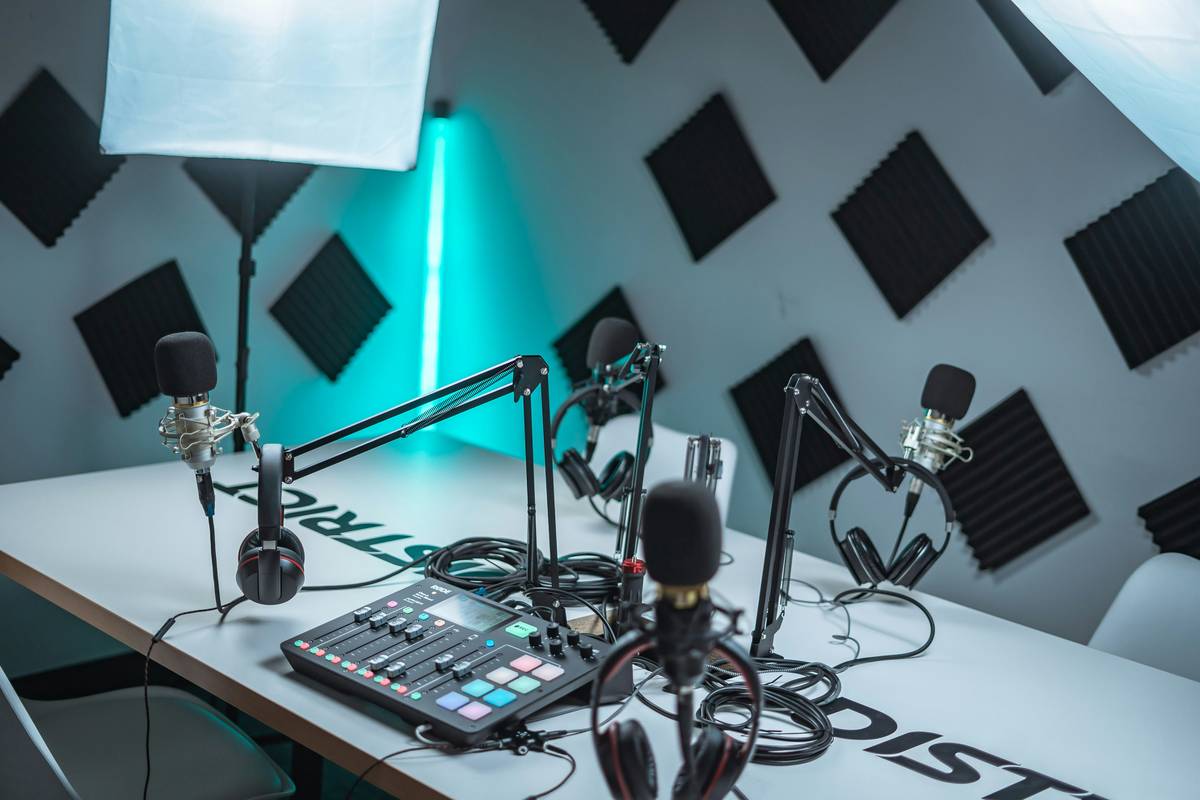
You’ve seen the glossy “ultimate” podcast studio equipment list online—$3,000 mics, acoustic foam by the square foot, mixers with more knobs than a spaceship. But here’s the problem: most of it won’t fix your muddy audio or inconsistent levels. In fact, overbuying gear before nailing fundamentals is the #1 reason new podcasts die by episode 5. The solution? A lean, intentional setup that prioritizes signal chain integrity over shelf appeal.
Why Most Podcast Studio Equipment Lists Fail You
Generic checklists treat podcasting like audiophile collecting—not communication. They ignore room acoustics, mic technique, and gain staging. And they assume you’re recording solo in a treated booth, not juggling Zoom guests from your bedroom closet.
Reality check: a $100 mic with clean preamp gain and proper placement beats a $1,200 condenser feeding into a laptop’s tinny internal sound card. Yet countless beginners blow budgets on unnecessary channel strips while their recordings drip with background hiss.
Podcast Studio Equipment List: The Minimal-Viable Setup That Scales
Forget “prosumer” overload. Build in layers. Start with what captures clean voice, then add only what solves a real bottleneck.
Microphones: Go Dynamic for Voice-First Clarity
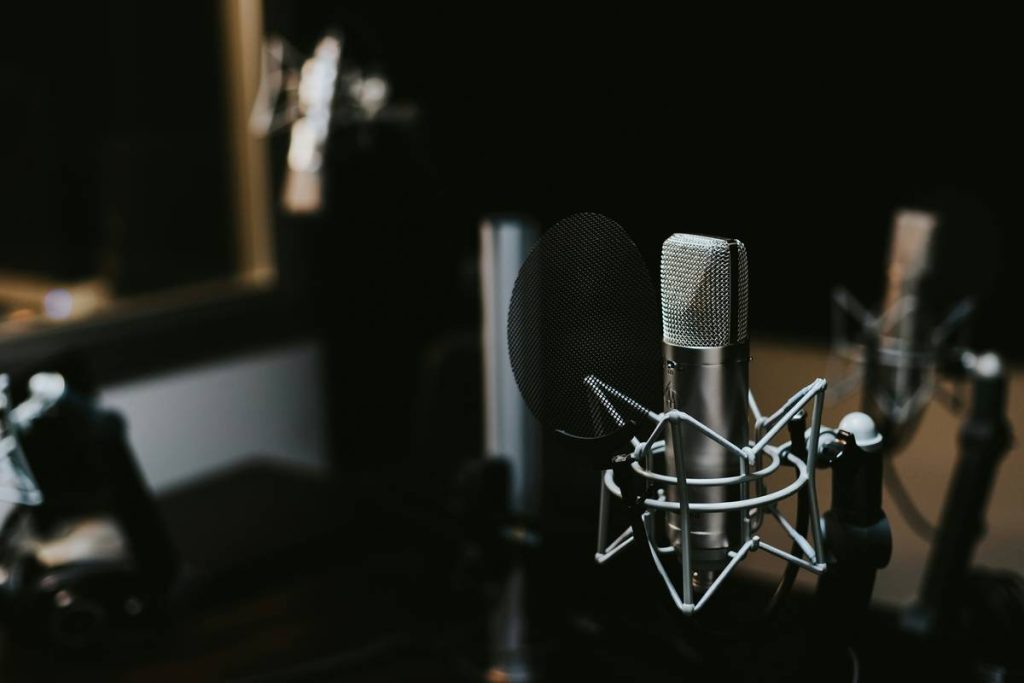
Condensers are sensitive—great for vocals in studios, terrible for untreated spaces. Dynamic mics like the Shure SM7B or Audio-Technica ATR2100x reject off-axis noise and handle plosives without pop filters the size of dinner plates. Your voice isn’t an orchestra—it’s a conversation. Treat it like one.
Audio Interfaces: Skip the Mixer (Seriously)
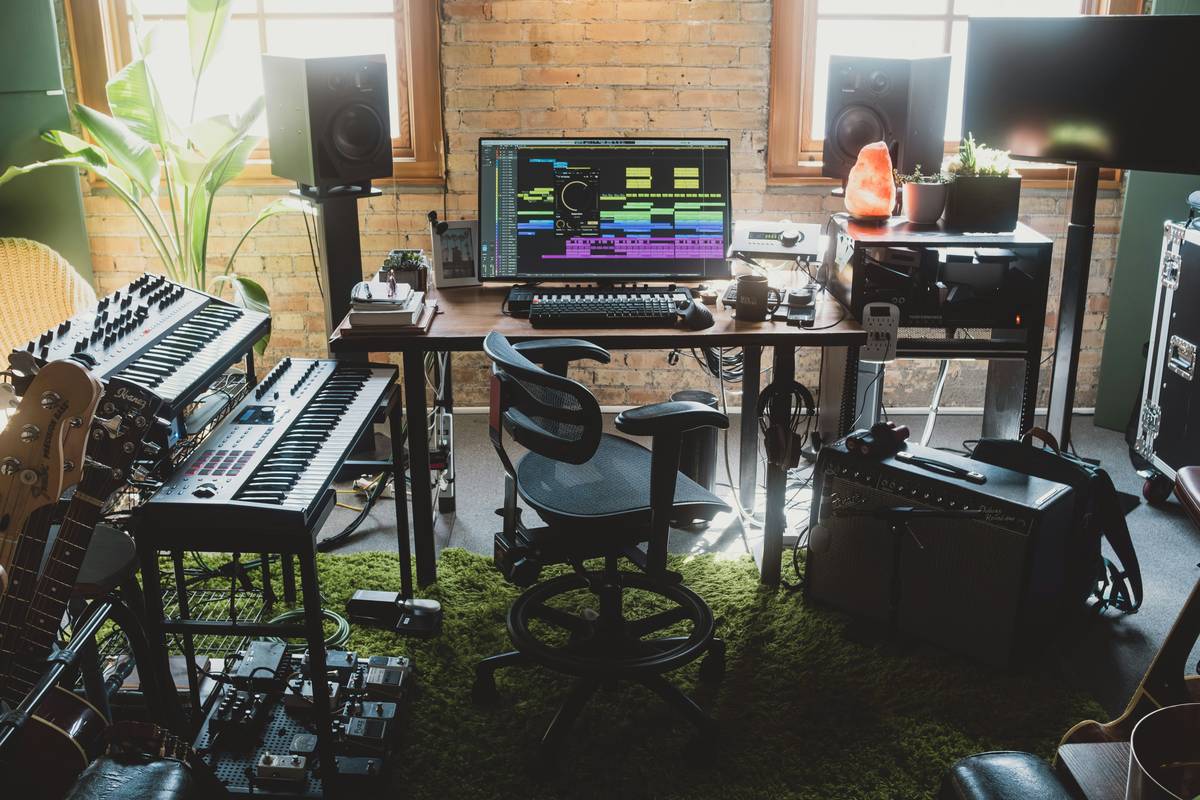
Mixers add cost, complexity, and analog-to-digital conversion steps that degrade quality. A 2-in/2-out USB interface like the Focusrite Scarlett Solo gives you pristine preamps, phantom power when needed, and direct digital capture. Fewer components = fewer failure points.
Monitoring: Closed-Back Headphones Are Non-Negotiable
Open-back cans leak sound into your mic—killing isolation. Sony MDR-7506 or Beyerdynamic DT 770 Pros seal the deal. You need to hear your own voice in real-time, not your neighbor’s lawnmower.
Acoustic Treatment: Strategic > Complete
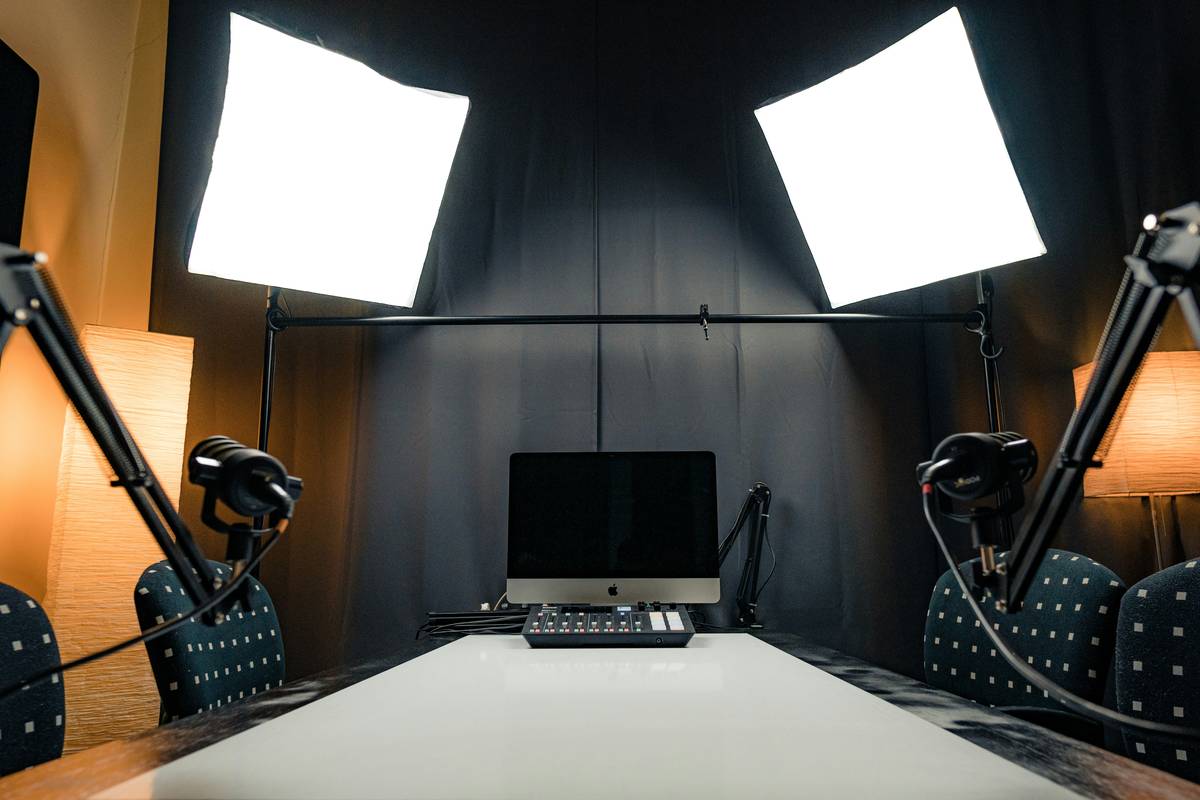
You don’t need a vocal booth. Hang a heavy moving blanket behind your mic, record facing a bookshelf, and keep 6–12 inches from reflective walls. Bass traps? Save them for when you monetize.
| Setup Tier | Core Gear | Approx. Cost | Best For |
|---|---|---|---|
| Starter | USB dynamic mic (e.g., Samson Q2U), free DAW (Audacity), wired headphones | $70–$100 | Solo hosts testing concepts |
| Professional | XLR dynamic mic, 2-channel interface, closed-back headphones, boom arm | $300–$500 | Weekly shows with remote co-hosts |
| Studio+ | Dual-mic setup, cloudlifter, treated room panels, backup recorder | $800+ | Revenue-generating shows with live editing |
The Industry Secret: Your Signal Chain Is Only as Strong as Its Weakest Link
Here’s what pro engineers won’t tell you: gain staging starts at your mouth. No amount of expensive gear fixes speaking too softly into a mic. Position matters more than price. Hold your dynamic mic 4–6 inches away—close enough for proximity effect, far enough to avoid p-pops. And set your interface gain so peaks hit -12dBFS, not -6dB or worse, clipping red.
But the real secret? Most listeners consume podcasts on earbuds or car speakers. Over-polishing with multi-band compressors or de-essers adds artifacts they’ll never hear—but will feel as “fatigue.” Clean, consistent levels beat surgical EQ every time.
FAQ
What’s the cheapest viable podcast studio equipment list?
A USB dynamic mic like the Samson Q2U ($70), free software like Audacity, and basic wired headphones. Skip stands or interfaces until growth demands it.
Do I need acoustic foam for my podcast studio?
Not if you position smartly. Use blankets, carpets, or furniture to break reflections. Foam only treats mid/high frequencies—and often looks better than it sounds.
Can I use a condenser mic for podcasting?
Only in a treated room with controlled gain. Condensers pick up everything—keyboard clicks, AC hum, distant traffic. For 90% of home podcasters, dynamics win.